Defensiveness is information: how emotionally intelligent leaders read it
Delivering constructive feedback is rarely anyone’s favorite leadership task, but it becomes infinitely more complex when the person on the receiving end immediately raises their defenses. No one particularly enjoys hearing that their work fell short, yet, while some team members process constructive criticism with relative ease, others respond with immediate pushback, denial, or emotional withdrawal.

· 4 min read
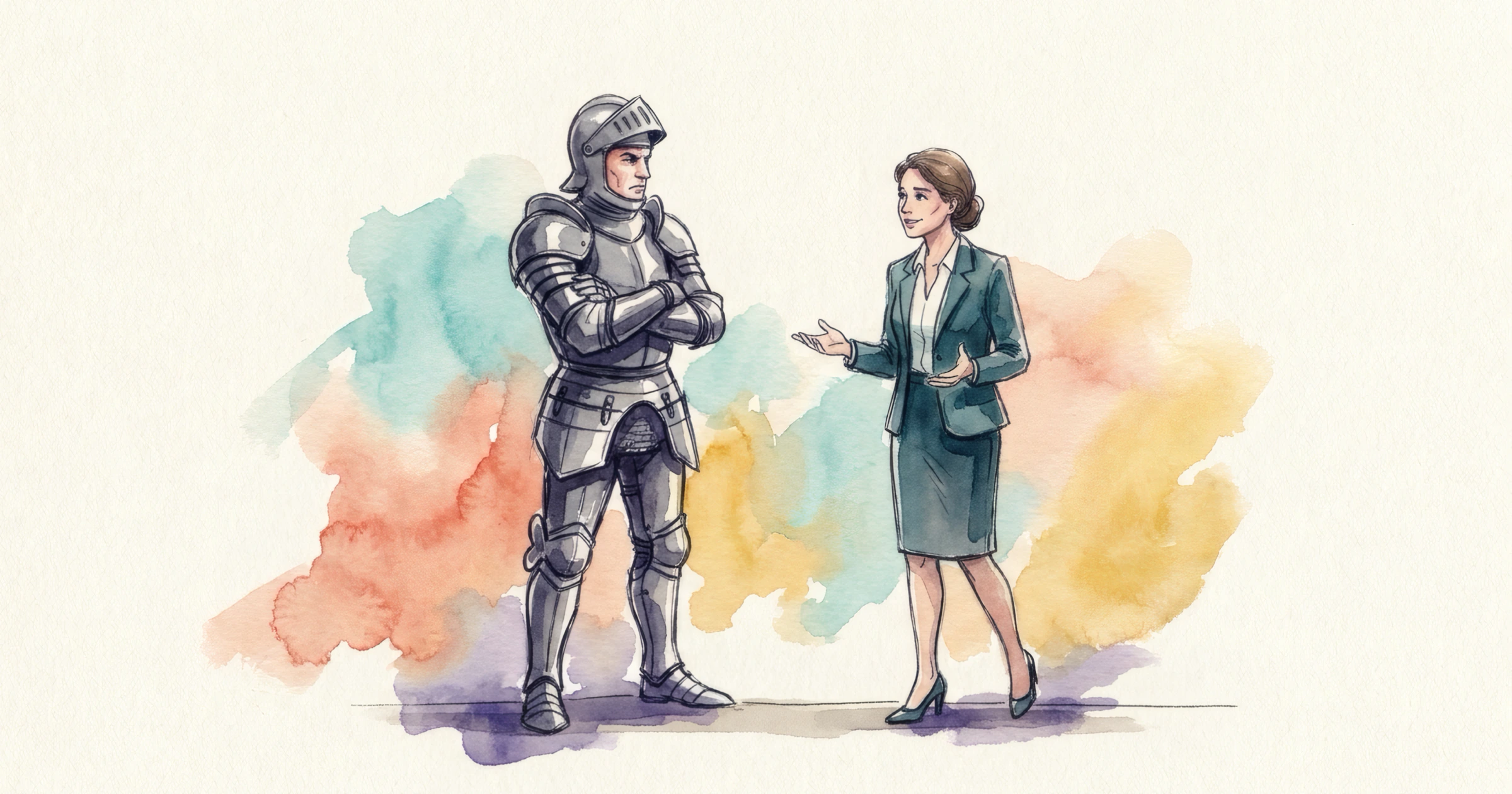
Coaching a defensive employee can feel like a significant drain on a manager’s time and emotional energy. Furthermore, when defensive behavior extends to interactions with colleagues, it can quickly tank team morale and stall collaboration. When faced with this wall of resistance, it is easy to assume that defensiveness stems from a poor attitude or an uncooperative personality. However, treating defensiveness as a fixed trait often leads managers down a dead-end street.
Attitudes and core personality traits change very slowly. Fortunately, defensiveness is frequently driven by underlying contextual elements; factors that (once identified) can lead to surprisingly fast shifts in behavior. By taking a supportive, context-first approach, leaders can dismantle the wall of defensiveness and build a foundation for genuine professional growth.
What does defensiveness look like in the workplace?
To address defensiveness effectively, it helps to recognise how it manifests in daily work interactions. Defensiveness is rarely just a loud argument; it often shows up in more subtle, habitual ways:
Deflecting blame: Automatically attributing mistakes to external factors, tight deadlines, or colleagues.
Counter-attacking: Responding to feedback by pointing out someone else’s flaws or bringing up past grievances rather than addressing the topic at hand.
Over-justifying: Offering exhaustive explanations for why a decision was made, leaving no room to examine better alternatives.
Passive resistance or withdrawal: Nodding along silently during a discussion, only to disengage completely from the work or subvert agreed-upon changes later.
At its core, defensiveness is a psychological survival mechanism—a reaction to a perceived threat. When a team member feels threatened, their focus shifts from problem-solving to self-protection. To help them step down from that protective stance, managers can explore four key drivers of defensive behavior.
1. Start by listening for legitimate concerns
It might sound counterintuitive to step back when an employee is pushing back, but defensiveness is sometimes rooted in valid workplace frustrations. Aggressive feedback focused on blame, ambiguous role expectations, or unfair performance metrics can naturally trigger a defensive response.
Before assuming the individual is simply being difficult, ask open-ended questions to get to the root of their perspective. Getting specific allows you to separate the behavioral reaction from the underlying operational issue. You might try an approach like this:
“I am noticing a tone of defensiveness here, and I want to step back and reassure you that I am on your side. My goal is to support you and help you succeed. Let’s explore the specific concerns that might be troubling you so I can understand what you’re experiencing. As much as you can share specific examples, that would be really helpful.”
By shifting the conversation from a critique of performance to an exploration of workplace obstacles, you invite the employee to become a partner in solving the problem rather than the target of a critique.
2. Acknowledge a past history of broken trust
Defensiveness often thrives in environments where psychological safety is low or trust has been compromised. This breakdown in trust may not stem from your current management style; it could be the result of past organisational experiences, such as unfulfilled promises regarding promotions, career advancement, or high-visibility projects.
When people have been let down in the past, they approach future feedback interactions with their guard up, anticipating unfair treatment. Building trust requires recognising this history without becoming defensive yourself. Gentle, curious questioning can help uncover whether past experiences are influencing their current reaction, allowing you to establish clearer boundaries and predictable expectations moving forward.
3. Consider the impact of burnout and exhaustion
Emotional dysregulation is a primary symptom of burnout and chronic stress. When an individual’s cognitive and emotional resources are depleted, their capacity to process constructive feedback with composure drops significantly.
Take a broader look at the employee’s current workload, recent project intensity, or external stressors. Is this defensiveness a longstanding pattern, or is it a recent shift in a previously high-performing employee? If exhaustion or burnout is driving the reaction, adjusting workloads or providing space for recovery will be far more effective than forcing a performance conversation when their cup is empty.
4. Shift away from deficit-based feedback
A persistent focus on weaknesses and areas for improvement can inadvertently foster feelings of inadequacy, worthlessness, and shame—all of which feed directly into defensiveness. When performance discussions focus exclusively on what is going wrong, employees feel compelled to protect their self-worth.
Adopting a strengths-based development approach helps counter this vulnerability. Recognising an employee’s core strengths, unique contributions, and past wins provides a secure foundation. When individuals feel valued for what they bring to the table, they are far more open to discussing where they can refine their skills without feeling that their overall value is under attack.
Addressing context over character
Focusing first on the underlying emotions and organisational context allows leaders to tackle the root causes of defensiveness rather than merely battling its symptoms.
Does this mean that every instance of defensiveness will instantly disappear? No. Some individuals may still struggle with self-awareness or receptivity despite a supportive environment. However, in the majority of cases, defensiveness is a maladaptive reaction to context, not a permanent personality flaw. By listening deeply, building psychological safety, checking for burnout, and acknowledging strengths, managers can help team members lower their guard, turning previously difficult conversations into meaningful opportunities for growth.
Dr Jana Paulech
BSc(Hons), GradDip(Psyc), PhD · Co-author of StrengthsWire
Former principal consultant to some of Australia’s largest companies on strategy for connection and performance. Jana uses individual and organisational psychology to help teams understand and respect each other.
Related articles
· 5 min read
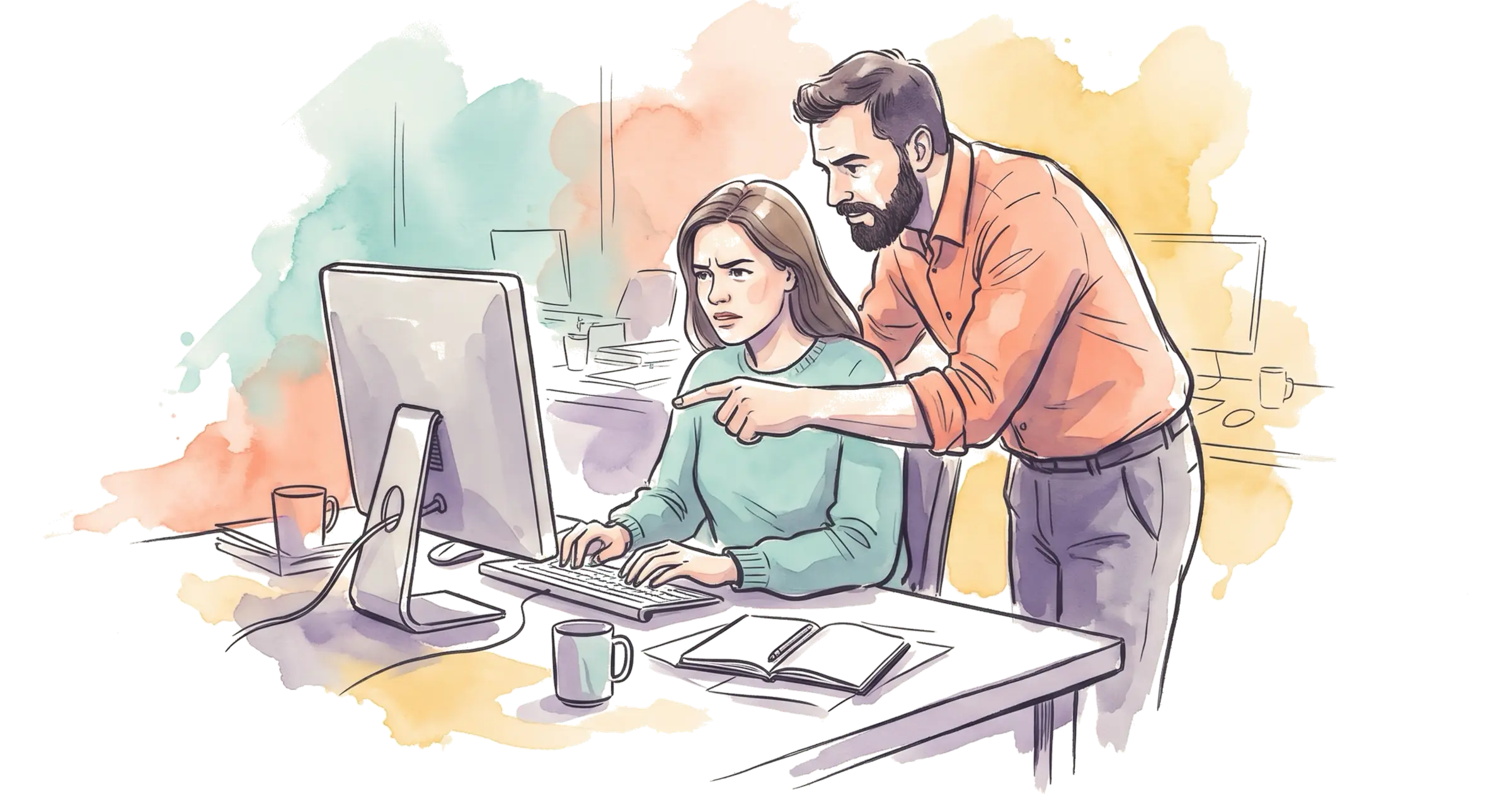
Why does my manager try to take over everything? (And how to handle it)
When a manager keeps taking over your work, it is rarely about trust in you. Two common reasons, tenure and strengths, and what to say for each.
By Dr Jana Paulech
- Working with your manager
- Workplace conflict
- Strengths